

Deupirfenidone
The science behind deupirfenidone
Deupirfenidone is a strategically modified version of pirfenidone, an FDA-approved treatment for IPF. It leverages an approach known as deuteration, in which hydrogen atoms are replaced with deuterium, a naturally occurring heavier form of hydrogen, at a specific location within a molecule. This modification can influence how a medicine is processed by the body.
Clinical data generated to date suggest that deupirfenidone may build upon the clinically-validated foundation of pirfenidone, demonstrating the potential to deliver enhanced efficacy without compromising the tolerability profile.
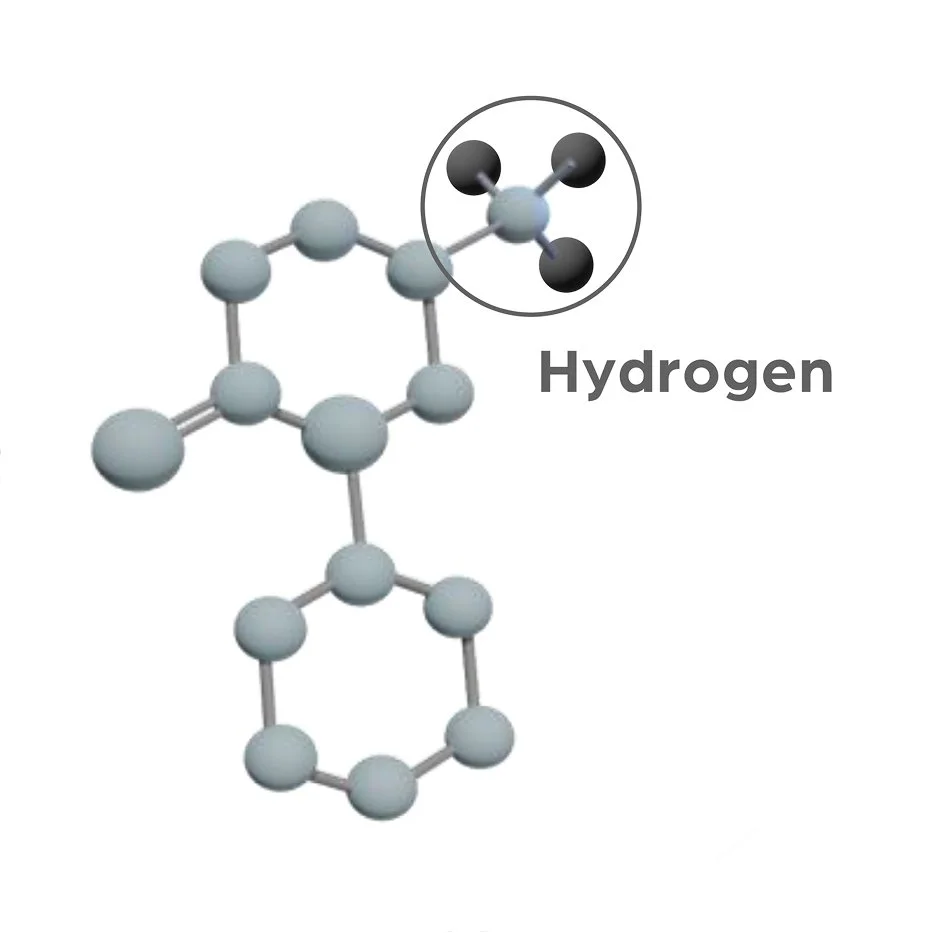
Pirfenidone
FDA-approved treatment for IPF
Higher drug exposure limited by tolerability
CELEA’S APPROACH
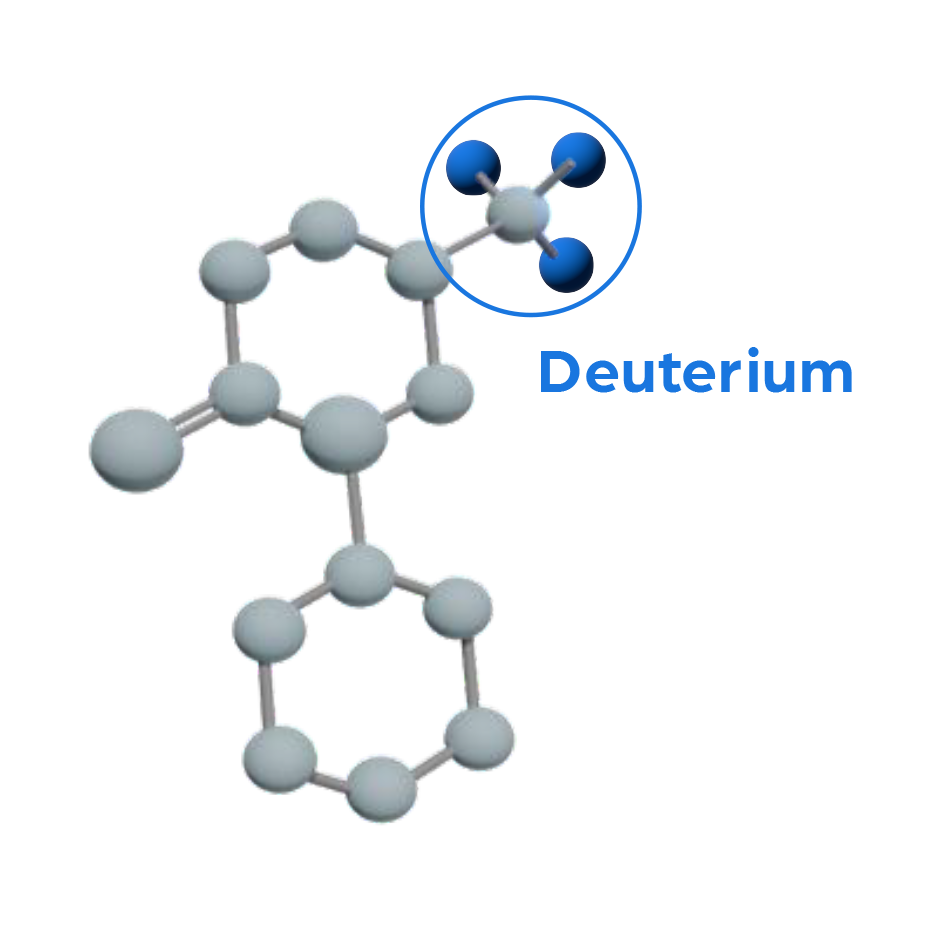
Deupirfenidone
Deuterated form of pirfenidone
Potential to achieve higher drug exposure while maintaining favorable tolerability
Building on rigorous clinical data: The completed Phase 2b ELEVATE IPF trial
The strong ELEVATE IPF trial results support advancement into the first head-to-head superiority trial in IPF, a Phase 3 trial directly comparing deupirfenidone with pirfenidone.
De-risking deupirfenidone
The thoughtful design and execution of the ELEVATE IPF trial generated robust, high-confidence data demonstrating statistically significant and clinically meaningful preservation of lung function compared to placebo.
Key trial design features include:
-
The 26-week treatment period and subsequent open-label extension exceed the typical 12-week duration historically utilized in Phase 2 IPF trials, enabling a more comprehensive assessment of lung function decline and long-term therapeutic potential.
-
To ensure data integrity, ELEVATE IPF adhered to 2019 ATS standards and centrally-read spirometry with rigorous quality control systems, resulting in consistent data.
-
ELEVATE IPF was the first industry-sponsored trial to include an approved antifibrotic agent as an active comparator. In the trial, both pirfenidone and placebo performed in line with historical expectations, reinforcing confidence in the robustness and reproducibility of the deupirfenidone data.

Trial highlights
The Phase 2b ELEVATE IPF trial was a global, randomized, double-blind, active- and placebo-controlled, dose-ranging trial designed to evaluate the efficacy, tolerability, safety, and dosing regimen of deupirfenidone in patients with IPF compared to placebo.

Key results from the completed Phase 2b Trial, published in The American Journal of Respiratory and Critical Care Medicine, include:
-
Deupirfenidone 825 mg three times a day (TID) as a monotherapy significantly slowed lung function decline versus placebo at 26 weeks. The rate of lung function decline over 26 weeks approached the normal physiological decline expected in healthy older adults.
-
Initial data from the open-label extension showed that the treatment effect observed with deupirfenidone 825 mg three times a day (TID) at 26 weeks was maintained out to at least 52 weeks. Importantly, the level of lung function decline observed at 52 weeks with deupirfenidone 825 mg TID was similar to the expected natural decline in lung function in healthy older adults over the same time frame.
-
Relative to placebo, deupirfenidone 825 mg three times a day (TID) demonstrated a numeric improvement in FVC change at week 26 and a 50% greater treatment effect compared with pirfenidone 801 mg TID (the highest FDA-approved dose). This corresponds with pharmacokinetic data, which showed that deupirfenidone 825 mg TID resulted in approximately 50% greater drug exposure compared to pirfenidone 801 mg TID.
-
The percentage of patients who remained on deupirfenidone 825 mg three times a day (TID) for 26 weeks (78.1%) was similar to the percentage of patients remaining on placebo (80.0%). Importantly, a lower percentage of patients in the deupirfenidone 825 mg TID arm reported experiencing key gastrointestinal adverse events (including nausea, dyspepsia, and diarrhea) compared to the pirfenidone 801 mg TID arm, with the exception of abdominal pain.